


Benefits of Tree Planting in Schools: How School Tree Planting Programs Help Students
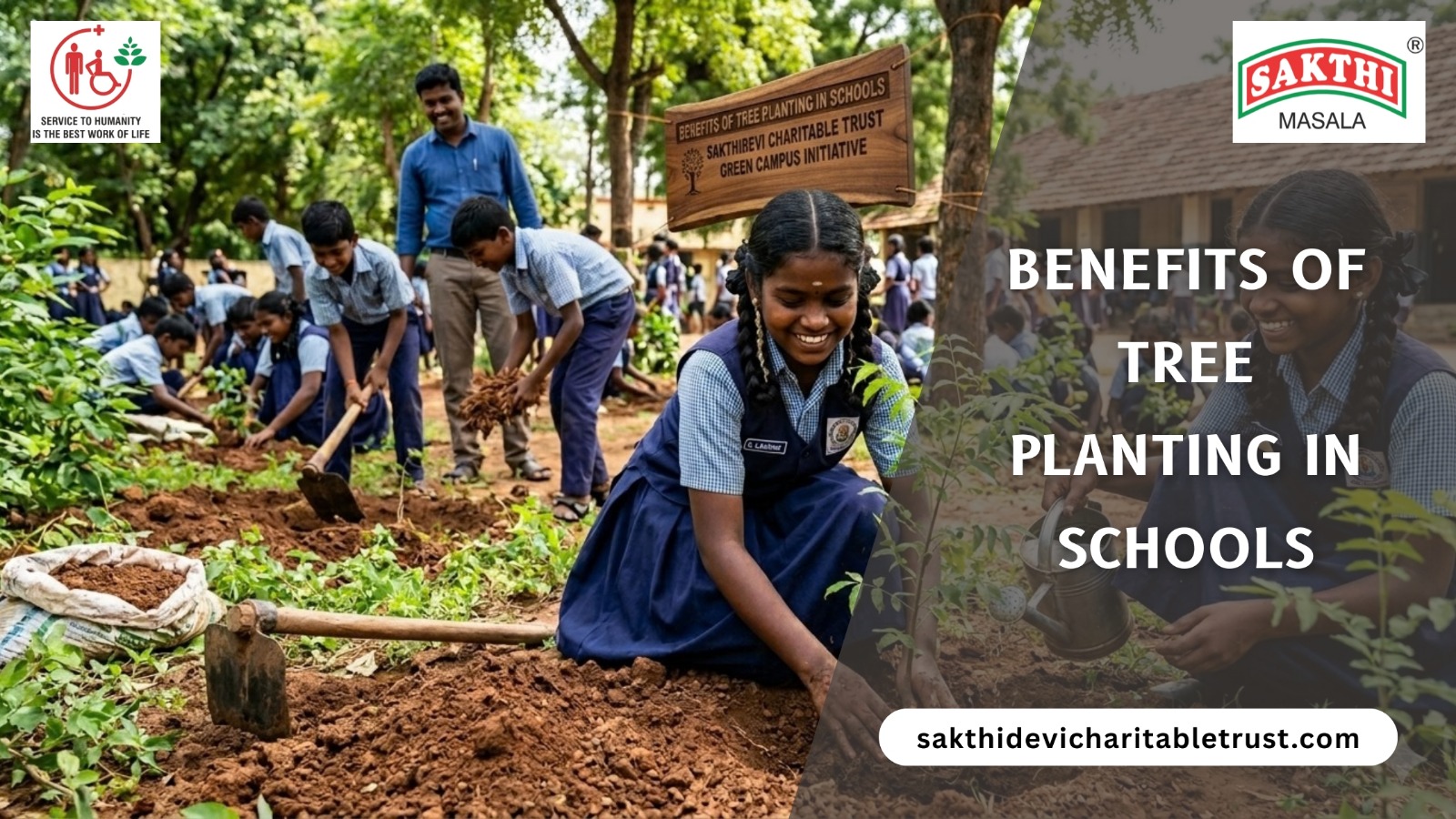
Many children learn about nature through books, but real learning happens when they interact with it directly. One simple way to connect students with the environment is through tree planting in school programs. These activities help children understand how nature supports life while encouraging responsibility and teamwork. Schools that introduce green initiatives create better learning environments and help students develop habits that benefit both their communities and the planet.
Why Schools Should Encourage Tree Planting
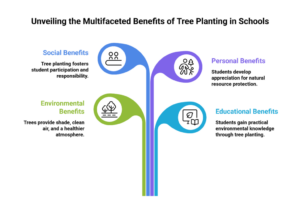
Trees provide shade, cleaner air, and a healthier atmosphere for students. When children participate in planting and caring for trees, they gain practical knowledge about the environment.
Some immediate advantages include:
- Greener school surroundings
- Improved awareness of nature
- Better student participation
- Stronger sense of responsibility
These experiences help students appreciate the importance of protecting natural resources from a young age.
Also Read: Tree Plantation in Schools: Why Every School Curriculum Should Include It?
How Tree Planting Supports Student Learning?
The value of tree planting in school goes beyond environmental benefits. It also supports educational growth. Teachers can connect tree planting projects with science, geography, and social studies lessons.
Students learn:
- How plants grow
- Why trees are important for ecosystems
- The connection between humans and nature
- Long-term environmental responsibility
This combination of classroom knowledge and practical experience makes learning more meaningful.
Tree Planting Activities That Engage Students
Many schools organize tree planting activities for students throughout the year. These programs encourage participation and create excitement around environmental care.
Popular activities include:
- Planting native trees on campus
- Creating student garden teams
- Monitoring tree growth records
- Organizing environmental awareness events
Such activities help students stay involved while developing teamwork and leadership skills.
Understanding the Benefits for Future Generations
The benefits of tree planting extend far beyond the school campus. Trees improve air quality, support biodiversity, and reduce environmental stress. Children who take part in these initiatives often carry these positive habits into adulthood.
They begin to understand that small actions can create long-term improvements for communities and future generations.
Building Environmental Responsibility
Environmental awareness develops through consistent action. Through tree planting in school, students learn patience, care, and commitment. Watching a sapling grow into a tree helps them understand the value of long-term effort and environmental stewardship.
Schools that invest in green programs are helping create responsible citizens who are prepared to protect natural resources in the future.
Conclusion
Tree planting programs provide students with valuable lessons that extend beyond academics. From practical environmental education to personal responsibility, these initiatives create lasting benefits for both students and schools. The continued growth of tree planting in school programs can help build greener campuses and more environmentally aware communities.
At Sakthidevi Charitable Trust, we believe every child should have opportunities to learn through meaningful environmental experiences. Our initiatives support schools in creating greener spaces and inspiring students to become responsible caretakers of nature.

 ADDRESS
  Phone Number
 EMAIL ID
Leave a Reply