

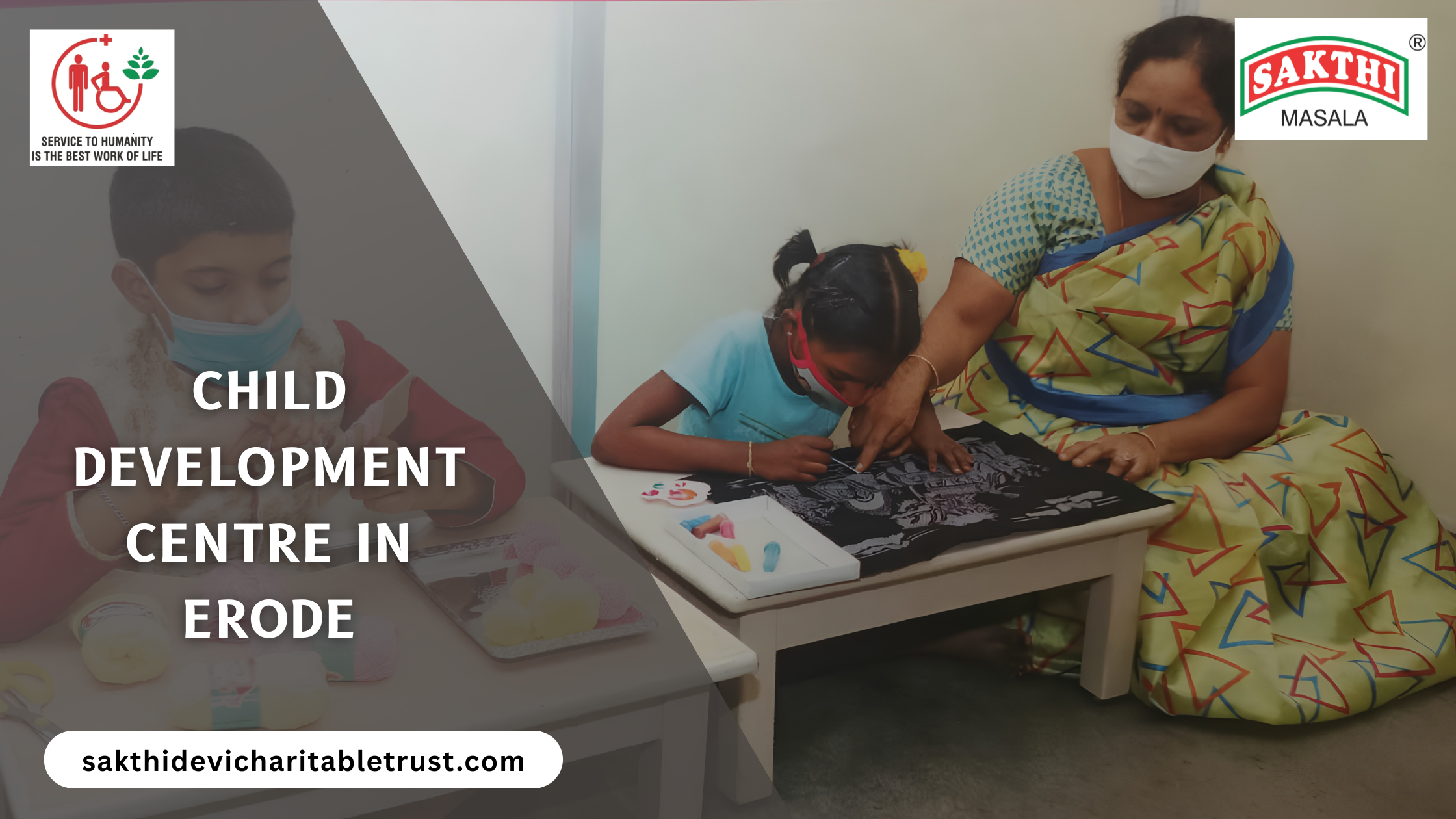
Every child develops at their own pace. However, parents may sometimes notice differences in how their child communicates, moves, learns or participates in everyday activities. Knowing when to approach a child development center in Erode can help families understand these concerns and identify appropriate support.
Observing developmental milestones is a useful starting point. Rather than comparing children with others, parents can focus on age-appropriate abilities, changes in existing skills and difficulties affecting daily participation. When concerns arise, discussing them with a healthcare professional is an important first step.
Developmental Signs Parents Should Notice
Some concerns that may deserve professional attention include:
- Speech and language delay affecting everyday communication.
- Difficulty with walking, balance or coordinated movement.
- Challenges with holding objects, writing or self-feeding.
- Persistent difficulties with learning or everyday participation.
These observations do not automatically indicate a developmental condition. They provide useful information for deciding whether further evaluation is needed.
Children may also need support with communication and interaction, so parents can read Social Skills for Special Children: Best Ways to Build Them for simple ways to encourage communication and peer interaction.
When should parents visit a child development center in erode?
Parents should seek professional advice when their child misses expected milestones, loses previously acquired abilities or experiences persistent developmental difficulties. A pediatrician can discuss the concerns, recommend developmental screening and arrange specialist assessment when appropriate.
Do not wait for difficulties to become more noticeable before asking questions. Timely evaluation helps families understand what support, if any, their child needs.
Before Your Appointment
|
Keep a short record of: · When you first noticed the concern. · Activities your child finds difficult. · Any previously learned abilities that have changed. |
These notes can help you explain your observations clearly during the consultation.
Assessment and Early Support
An assessment helps professionals understand a child’s strengths and difficulties before recommending suitable assistance.
Depending on the findings, early intervention services may be considered. The type of support should reflect the child’s individual needs rather than a standard program for everyone.
Parents can also learn more about the importance of early childhood development and the support children need in their early years through UNICEF’s guidance.
Developmental Support at Sakthi
Families searching for a child development center in Erode can explore the services offered by Sakthi Rehabilitation Centre and its Early Intervention Centre for Autism.
Sakthi provides speech therapy, occupational therapy and physiotherapy through its Rehabilitation Centre. Its published approach describes assessments and individualized therapy plans based on developmental needs. The Trust also operates an early-intervention center for autistic children below six years.
Parents can contact Sakthi Rehabilitation Centre to enquire about available services and suitable assessment options.
Parents can explore Supporting Special Children: Learning, Skills & Development for more information on child development, therapy support, learning and daily skills.
Frequently Asked Questions
- Should parents wait if development seems delayed?
No. Discuss concerns with a pediatrician rather than waiting for them to become more significant.
- Does every developmental concern require therapy?
No. A professional assessment helps determine whether further evaluation or support is appropriate.
- Does Sakthi offer support for young children?
Yes. Sakthi’s Early Intervention Centre for Autism serves children below six years.

 ADDRESS
 Phone Number
 EMAIL ID
Leave a Reply